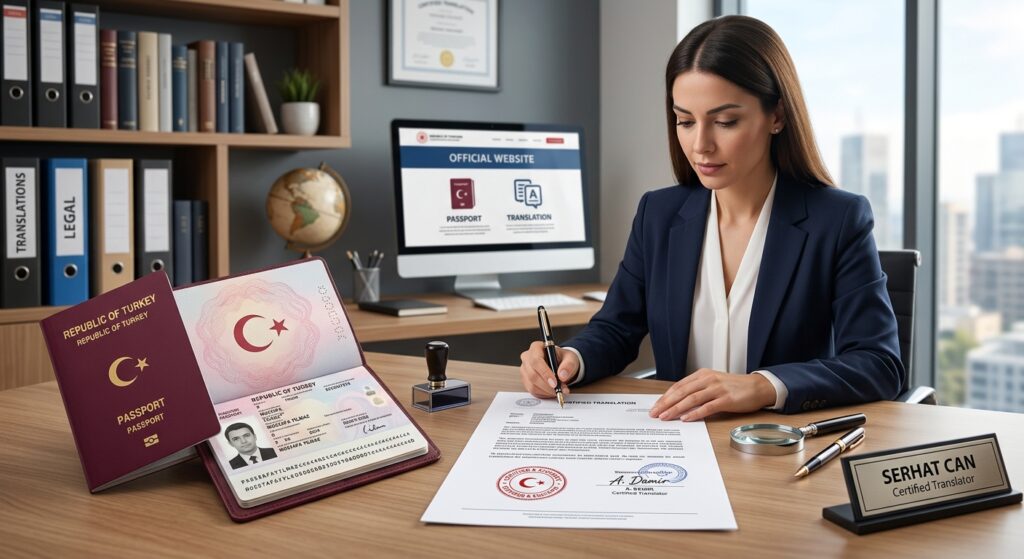
Understanding What Passport Translation Really Means
Passport translation is the process of converting the personal, legal, and biometric information found in a passport into another language so that it can be recognized by foreign authorities, embassies, universities, or government offices. Unlike casual document translation, this process requires absolute precision, because even a minor spelling mistake in a name or date can cause visa rejections, delayed immigration applications, or legal complications. Many people searching for how a passport translation is done are usually preparing for visa applications, residency permits, marriage registrations abroad, university admissions, or international business transactions.
Because passports contain sensitive identity data, the translation must mirror the original document exactly—no additions, no omissions, and no personal interpretation. This is why professional certified passport translation services are almost always required instead of relying on free online tools or informal translations.
Why Certified Passport Translation Is Necessary
A certified passport translation is not just a language conversion; it is a legally recognized document that carries the same weight as the original in the eyes of foreign institutions. Most government offices, consulates, and universities will not accept a plain translation. Instead, they require a certified translation accompanied by a signed statement from the translator or translation agency confirming accuracy and completeness.
Some of the most common reasons people need certified passport translation include:
- Applying for a visa or residence permit in a foreign country
- Enrolling in international universities or exchange programs
- Registering a marriage, birth, or legal document abroad
- Opening a bank account or conducting notarized transactions overseas
- Immigration and citizenship applications
In many cases, especially within the EU or when dealing with official government bodies, an apostille or notarized translation is required alongside the certified version to confirm its authenticity on an international level.
Step-by-Step: How Passport Translation Is Done
Understanding the actual process helps demystify why professional translators are essential and why the procedure takes more than simply rewriting text in another language.
1. Document Submission
The process begins when the passport holder submits a clear, high-resolution scan or photocopy of their passport to a certified translator or translation agency. This copy must include all relevant pages, especially the biodata page containing the photo, full name, date of birth, passport number, and issuing authority.
2. Verification of Personal Details
Before starting the actual translation, professional translators cross-check every detail against the original document. Names, dates, and numbers must match exactly, since even one character discrepancy can cause the translated document to be rejected by immigration officers or embassy staff.
3. Accurate Translation of Content
The translator then converts all textual elements—full name, nationality, date and place of birth, passport number, dates of issue and expiry, and the issuing authority—into the target language. Standardized formats are used to match the layout of the original passport as closely as possible, which helps foreign authorities quickly verify the translated information.
4. Certification Statement
Once the translation is complete, the translator or agency adds a certification statement. This statement confirms that the translation is a true and accurate representation of the original document. It usually includes the translator’s name, signature, contact details, and sometimes a professional stamp or seal.
5. Notarization or Apostille (If Required)
Depending on the destination country’s requirements, the certified translation may need to be notarized by a public notary or authenticated with an apostille stamp. This step provides an additional layer of legal recognition, especially for documents used in international courts, consulates, or government registries.
Choosing Between a Sworn Translator and a Translation Agency
When people ask how passport translation is done correctly, one of the most important decisions is choosing the right translation provider. There are generally two options: hiring an individual sworn translator or working with a professional translation agency.
A sworn translator is an individual who has been officially authorized—often by a court or government body—to produce translations that are legally binding without requiring additional certification. This option is common in countries like Turkey, Germany, and France, where sworn translators carry official registration numbers and stamps.
A translation agency, on the other hand, typically employs multiple certified translators and offers additional quality control steps, such as proofreading and formatting verification. Agencies are often a better choice for people who need translations into multiple languages or who require fast turnaround times without sacrificing accuracy.
Whichever option you choose, always verify that the translator or agency has experience specifically with official document translation, as passport translation demands a different level of precision compared to general translation work.
Common Mistakes to Avoid During Passport Translation
Even a seemingly simple document like a passport can be mistranslated if the translator lacks experience or attention to detail. Below are some of the most frequent errors that can delay or invalidate an application:
- Inconsistent name spelling: Names must match exactly as they appear in the original passport, including diacritical marks and special characters.
- Incorrect date formats: Different countries use different date formats (DD/MM/YYYY vs. MM/DD/YYYY), and translators must adapt this correctly to avoid confusion.
- Omitting stamps or endorsements: Some countries require translation of visa stamps, entry/exit stamps, or amendments found on additional pages.
- Using uncertified translators: A translation without official certification is often rejected outright by embassies and government agencies.
- Ignoring formatting requirements: Some institutions require the translated document to visually resemble the original layout, including page numbers and photo placement notes.
Avoiding these mistakes not only speeds up the approval process but also prevents costly delays in visa or immigration procedures.
How Long Does Passport Translation Take?
The timeline for passport translation depends on several factors, including the complexity of the document, the language pair involved, and whether notarization or apostille certification is required. On average, a standard certified passport translation can be completed within 24 to 72 hours. However, urgent same-day services are often available for an additional fee, particularly through professional translation agencies with multiple in-house translators.
If notarization is required, add an extra one to three business days depending on the availability of a notary public. For countries requiring apostille certification, processing times can extend to one or two weeks, depending on local government procedures.
What Does Passport Translation Typically Cost?
Pricing for passport translation varies widely depending on the language pair, the urgency of the request, and whether additional certification is needed. As a general guideline:
- Standard certified passport translation: $25–$60 per document
- Notarized translation: an additional $15–$40 depending on the notary’s fees
- Apostille certification: varies significantly by country, often ranging from $20–$100
- Rush or same-day services: typically 20–50% higher than standard rates
While it may be tempting to choose the cheapest option available, it’s important to remember that passport translation errors can lead to visa denials or significant delays—making it worth investing in a reputable, experienced translation provider.
How to Ensure Your Passport Translation Is Accepted
To avoid unnecessary back-and-forth with embassies or government offices, it’s essential to confirm specific requirements before submitting your translated passport. Consider the following steps:
- Contact the receiving institution to confirm whether they require notarization, apostille, or simple certification.
- Verify the qualifications of your translator, ensuring they are certified or sworn according to the destination country’s legal standards.
- Double-check that all personal details match the original passport exactly, including middle names and suffixes.
- Request both a digital copy and a physical, signed copy of the translation for flexibility during submission.
- Keep the original passport and translated version together when submitting applications, as many institutions require both documents side by side.
Taking these precautions ensures a smoother, faster approval process and minimizes the risk of your application being returned due to translation-related issues.
Final Thoughts on Passport Translation
Knowing how passport translation is done empowers applicants to navigate international bureaucracy with confidence. Whether you’re applying for a student visa, relocating for work, or handling legal matters abroad, a properly certified passport translation can make the difference between a smooth approval and frustrating delays. By working with qualified, experienced translators—whether sworn professionals or reputable agencies—you ensure that your most important identity document is represented accurately and respected by authorities worldwide.
Ultimately, investing time in choosing the right translation service, understanding notarization requirements, and double-checking every detail will save you both time and stress throughout your international journey.