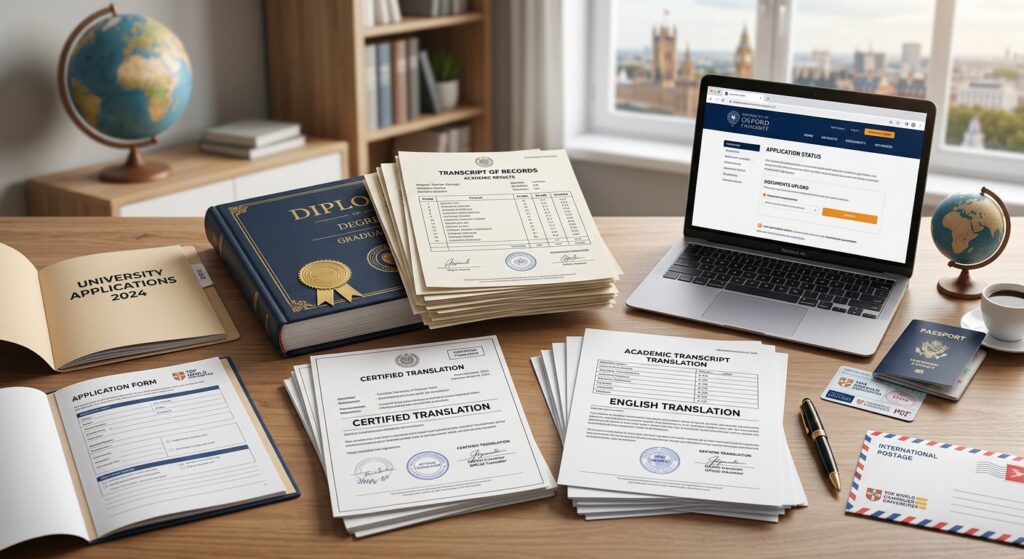
Why Accurate Diploma and Transcript Translation Matters for Study Abroad Applications
For thousands of Turkish students every year, the dream of studying at a foreign university begins with a stack of paperwork. Among the most critical documents in this process are the diploma and academic transcript, which admissions committees use to verify your educational background, grades, and eligibility. However, submitting these documents in Turkish is rarely enough. Universities abroad require precise, certified translations that accurately reflect your academic history in the language of the host country—usually English, but sometimes German, French, or another local language.
A properly executed diploma and transcript translation for university applications abroad is not simply a matter of converting words from one language to another. It requires an understanding of academic terminology, grading systems, and formatting conventions that differ significantly between countries. A single mistranslated grade or misinterpreted course title can lead to confusion, delays, or even rejection of an otherwise strong application. This is why professional, certified translation services have become an essential step in the international admissions journey.
Understanding Certified and Sworn Translation Requirements
Most universities abroad explicitly request a “certified translation” or, in some countries, a translation completed by a “sworn translator.” In Turkey, sworn translators are officially authorized professionals who have taken an oath before a notary public, allowing them to produce legally valid translations of official documents. This distinction matters greatly when it comes to academic paperwork, since uncertified or informal translations are typically not accepted by foreign institutions.
A certified translation includes a signed statement from the translator confirming that the translated document is a complete and accurate representation of the original. This statement, along with the translator’s seal and credentials, gives universities confidence that the information presented is trustworthy. When searching for a provider, it’s worth asking directly whether they offer sworn translator services and whether their translations are recognized internationally, since not all certification standards are universally accepted.
Why Self-Translation or Informal Services Fall Short
Some students attempt to translate their own documents or rely on informal online tools. While this might seem like a cost-saving measure, it almost always backfires. Admissions offices are trained to detect inconsistencies, and a translation lacking official certification will typically be rejected outright, forcing students to restart the process under time pressure. Investing in professional translation from the outset saves both time and stress later in the application timeline.
The Role of Notarization and Apostille in International Applications
Beyond certified translation, many universities and immigration authorities require additional layers of authentication, namely notarization and apostille certification. Notarization involves a notary public verifying the identity of the translator and confirming that the translation was properly executed. This step adds a legal layer of credibility to the document.
An apostille, on the other hand, is an international certification recognized by countries that are signatories to the Hague Apostille Convention. If your destination country is part of this convention, an apostille stamp on your translated diploma and transcript confirms that the documents are legitimate and can be used across borders without further legalization. Turkey is a member of this convention, which makes obtaining an apostille relatively straightforward through local notary offices or the Ministry of Foreign Affairs.
It’s important to research your target university’s specific requirements early on, as some institutions request notarized translations, others require apostilled documents, and some ask for both. Understanding these nuances in advance prevents last-minute scrambling before application deadlines.
Country-Specific Legalization Differences
Requirements can vary considerably depending on the destination. For example, universities in the United States often accept certified translations without additional apostille certification, provided the translation service is recognized. Meanwhile, many European universities, particularly in Germany and Italy, may require both notarization and apostille for full academic recognition. Always check the official admissions page or contact the international office directly to confirm exact expectations.
Step-by-Step Process: From Original Documents to Application-Ready Translations
Understanding the workflow behind academic document translation helps applicants plan their timelines more effectively. Here is a general outline of what to expect:
- Document Collection: Gather original diplomas, transcripts, and any supplementary academic records from your institution.
- Initial Review: A professional translator or agency reviews the documents to identify specific terminology, grading scales, and formatting requirements.
- Translation: The sworn translator produces an accurate, certified version of the diploma and transcript translation, preserving the original structure and academic terminology.
- Certification and Notarization: The translated document is certified and, if required, notarized to confirm authenticity.
- Apostille (if applicable): The notarized translation is submitted for apostille certification, depending on destination country requirements.
- Final Delivery: The completed, authenticated translation is delivered in both digital and physical formats for submission to the university.
This process typically takes anywhere from a few days to two weeks, depending on document complexity and whether apostille certification is needed. Planning ahead, especially during peak application seasons, is essential to avoid unnecessary delays.
Common Mistakes to Avoid When Translating Academic Documents
Even with the best intentions, applicants sometimes make avoidable errors that complicate their university applications. Being aware of these pitfalls can save significant time and frustration.
Choosing Uncertified or Unqualified Translators
Price should never be the only factor when selecting a translation provider. Uncertified translations are frequently rejected, regardless of how accurate they may appear. Always confirm that your translator holds proper sworn translator credentials recognized in Turkey.
Ignoring Grading Scale Conversions
Turkish universities often use a 4.0 or 100-point grading scale, which may need contextual explanation for foreign admissions committees unfamiliar with local academic systems. A skilled translator will include necessary clarifications or footnotes to ensure grades are interpreted correctly.
Submitting Incomplete Document Sets
Some students translate only their diploma while neglecting their transcript, or vice versa. Most universities require both documents together, along with any relevant certificates of graduation or academic standing. Double-check the complete list of required documents before submission.
Overlooking Formatting Consistency
Academic transcripts often include tables, stamps, and specific layouts. A high-quality translation should mirror this structure as closely as possible, making it easier for admissions officers to cross-reference translated content with the original document.
Choosing the Right Translation Partner in Turkey
Selecting a reliable translation service is one of the most important decisions in your study abroad preparation. Look for providers with proven experience specifically in academic transcript translation and diploma certification for international admissions, rather than general translation agencies with limited academic exposure.
Key factors to consider include:
- Official Accreditation: Ensure translators are registered sworn translators recognized by Turkish notary offices.
- Experience with Target Countries: A provider familiar with specific university systems—whether in the UK, Germany, Canada, or elsewhere—can anticipate formatting and certification nuances more effectively.
- Turnaround Time: Application deadlines are strict, so choose a service capable of delivering within your required timeframe without compromising accuracy.
- Confidentiality and Data Security: Academic records contain sensitive personal information, so verify that the provider follows strict privacy protocols.
- Client Reviews and Track Record: Testimonials from students who have successfully used the service for similar applications can offer valuable reassurance.
A trustworthy partner will not only translate your documents but also guide you through notarization and apostille procedures, offering a smoother, less stressful application experience overall.
Country-Specific Requirements: What to Expect
While general principles apply across most destinations, specific countries have unique expectations worth noting in advance.
United States and Canada
Most universities in North America request certified translations along with a course-by-course credential evaluation, particularly for graduate program applications. Some institutions accept translations directly from the university’s international office, while others require independent certified translators.
United Kingdom
UK universities generally accept certified translations from recognized translation professionals, though some institutions may request additional verification through UK-based agencies specializing in international credential assessment.
Germany and Other European Union Countries
Germany’s rigorous academic standards mean that transcript translations often require notarization and, in some cases, apostille certification. Additionally, certain German universities request translations be completed by translators registered with German courts, which may involve coordination between Turkish and German-based services.
Regardless of destination, always verify requirements directly with your chosen university’s international admissions office, as policies can change and vary even between departments within the same institution.
Final Checklist Before Submission
Before submitting your application, take time to review the following checklist to ensure your translated documents meet all necessary standards:
- Confirm that translations are completed by a certified sworn translator recognized in Turkey.
- Verify whether notarization is required by your target university.
- Check if apostille certification is necessary based on your destination country.
- Ensure both diploma and transcript translations are included, along with any supplementary academic documents.
- Review formatting consistency between original and translated versions.
- Confirm grading scale explanations are included where necessary.
- Double-check submission deadlines and allow buffer time for potential revisions.
Taking these precautions early in your application timeline significantly reduces the risk of delays or rejections related to documentation issues. A well-prepared, professionally translated diploma and transcript package not only satisfies administrative requirements but also reflects positively on your overall attention to detail as a prospective international student.
Ultimately, securing accurate diploma and transcript translation for university applications abroad is an investment in your academic future. By partnering with experienced sworn translators, understanding notarization and apostille requirements, and staying informed about country-specific expectations, you position yourself for a smoother, more confident application process—one that allows your academic achievements to speak clearly, no matter where in the world you choose to continue your education.